-
 04:23
Stellenbosch University – A unique conference destination
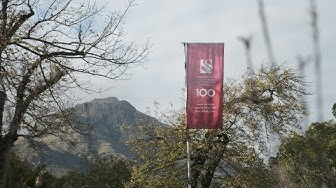
Stellenbosch University (SU) is rooted in Africa and global in its reach. Over the past one hundred years, it has grown into a South African higher education institution with the vision to be a leading research-intensive university on the African continent, to be globally recognised as excellent, inclusive and innovative, and where knowledge is advanced in service of society. As its mission states, SU is a research-intensive university that attracts outstanding students, employ talented staff and provides a world-class environment; it is a place connected to the world, while enriching and transforming local, continental and global communities. The University’s values – excellence, compassion, equity, accountability and respect – relate to the beliefs and attitudes that guide the institution’s behaviour. All of these values are equally important, are interconnected and inform SU’s ethics code. Starting out with four faculties (Arts, Science, Education and Agriculture), 503 students and 40 lecturing staff on 2 April 1918, SU today is home to ten faculties spread across five campuses, has a vibrant and cosmopolitan community of more than 32 000 undergraduate and postgraduate students, which include over 4 000 international students from 100 different countries. The University has about 3 300 full-time staff members and 352 postdoctoral fellows. In 2018, SU launched its Vision 2040, as well as a strategic framework that at its core serves to cultivate a thriving Stellenbosch University, to provide a transformative student experience, to foster purposeful partnerships and inclusive networks, to promote networked and collaborative teaching and learning, to conduct research for impact, and to position SU as an employer of choice. FACULTIES AT STELLENBOSCH UNIVERSITY Stellenbosch University is embarking on a journey of networked and collaborative teaching and learning through the creation of learning communities where students, staff and alumni can experience meaningful learning. The University promotes a learning-centred approach to teaching that focuses on learning as a partnership, where students are seen as co-creators of knowledge and learning environments. Networked and collaborative learning creates an environment that encourages intellectual inquisitiveness, an essential skill for sustained critical and creative thinking. SU offers tertiary academic programmes that are excellent and socially relevant, delivering world-class graduates ready and able to make a difference. Our traditional mode of delivery is classroom-based contact education but we are harnessing the latest technologies to create connected, networked communities where learning is interactive and collaborative. To enhance studying on campus, several facilities have been built to provide students with safe learning spaces. The Main Library boasts a Learning Commons, which creates an innovative and stimulating learning environment and is a vibrant extension of the lecture hall. All faculties have computer areas, while the Study Centre allows students to study after hours and gives them access to high-speed internet. Stellenbosch University values its students and is committed to delivering a transformative student experience to each one of them. Student life at our campuses is a journey – from the first contact with prospective students until they graduate and embrace the role of alumni. We therefore provide opportunities for growth to all students, including guidance, support and services to enable them to succeed. A variety of student accommodation aims to enhance students’ university experience, while societies create an environment where students can meet new people that share similar interests. We have a long and proud sports tradition. Maties Sport aims to foster excellence in both the academic and sport performances of talented student-athletes, and to promote social cohesion and engagement in an active lifestyle among students and staff. In order to inspire and be inspired, Stellenbosch University engages and collaborates with stakeholders, the communities we serve, industry, government and our university partners at a local, regional, continental and global level. As a tertiary institution, we are committed to South Africa and Africa and we are intensely aware of our role in and in relation to the international arena. Our collaboration and engagement approach is congruent with our values of respect, compassion and equity. SU’s Division for Social Impact views its role as enabling change through mutually beneficial associations, collaborations and partnerships between the university (staff, students and alumni) and external societal partners in government, industry and the various institutions of civil society – in local and global contexts. A broad network of more than 150 formal international partnerships across the globe serves to achieve SU’s vision of creating partnerships on various levels. The largest number of these partnerships is in 39 countries outside of Africa and 19 partnerships on the African continent. New geographical areas of engagement include an intentional shift into more collaboration in the global South, in particular with the other BRICS (Brazil, Russia, India and China) countries. The division SU International has as its mission to enhance the University’s African engagement and build SU’s international profile. We have an embedded culture of innovation and entrepreneurship, which forms a vital component of our research success. Through Innovus, our industry interaction and innovation platform for the commercialisation of the University’s assets, a record number of registered trademarks, licences, patent applications, disclosures and spin-out companies have been created. The Nedbank-Stellenbosch University LaunchLab functions as a start-up incubator and business accelerator that boosts entrepreneurship through networking opportunities and mentoring for researchers, staff and students.
- 学生总人数23,750
- 国际学生人数1,817
- 学术人员总人数915
- 国际职员人数91
- 授予的本科学位数量3,939
- 授予的硕士学位数量1,435
- 授予的博士学位数量278
- 仅研究人员人数312
- 新生人数5,157
- 新硕士生人数727
- 新博士生人数195
- 总体得分53.1
- 全球研究声誉#403
- 区域研究声誉#2
- 刊物#397
- 图书#427
- 会议#528
- 标准化引文影响#523
- 总引文#398
- 被引用最多的10%的出版物数量#453
- 在被引用最多的10%的出版物中所占的百分比#766
- 国际合作#554
- 具有国际合作的出版物总数的百分比#290
- 被引用率最高的前1%论文中被高度引用的论文数#420
- 引用率最高的前1%论文中所占比例最高的论文#597
*以上数据来自于:U.S.News官方网站

8%
国际学生的比例

26.1
每位教职员的学生人数

55 : 45
男女生比例

24,308
全日制学生人数
*以上数据来自于:TIMES官方网站
-
World University Rankings
2012
251
2013
251
2014
301
2015
276
2016
301
2017
401
2018
351
2019
301
2020
251
-
Arts & humanities
2018
251
2019
251
-
Clinical, pre-clinical & health
2018
201
2019
151
-
Engineering & technology
2018
401
2019
501
-
Life sciences
2018
201
2019
301
-
Physical sciences
2018
401
2019
501
-
Social sciences
2018
201
2019
251
-
Business & Economics
2019
401
-
Computer Science
2019
401
-
Education
2019
151
-
Psychology
2019
201
-
Emerging Economies
2014
21
2015
17
2016
11
2017
42
2018
38
2019
24
*以上数据来自于:TIMES官方网站
-
#80农业科学
查看本专业下的子专业排名
- 《农业科学》总分58.5
- 《农业科学》全球性科研声誉#78
- 《农业科学》区域性科研声誉#1
- 《农业科学》出版物#101
- 《农业科学》的标准化论文引用影响指数#135
- 《农业科学》总引用次数#108
- 《农业科学》引用次数前10%的出版物数量#93
- 《农业科学》引用次数前10%的出版物总数百分比#110
- 《农业科学》国际合作#63
- 《农业科学》与国际合作的出版物总数的百分比#67
- 《农业科学》论文引用次数前1%的出版物的数量#83
- 《农业科学》 论文引用次数前1%的出版物总数的百分比#77
-
#121环境学/生态学
查看本专业下的子专业排名
- 《环境/生态学》总分59.8
- 《环境/生态学》全球性科研声誉#130
- 《环境/生态学》区域性科研声誉#2
- 《环境/生态学》出版物#148
- 《环境/生态学》标准化论文引用影响指数#131
- 《环境/生态学》总引用次数#125
- 《环境/生态学》引用次数前10%的出版物的数量#166
- 《环境/生态学》引用次数前10%的出版物总数百分比#246
- 《环境/生态学》国际合作#130
- 《环境/生态学》与国际合作的出版物总数的百分比#160
- 《环境/生态学》论文引用次数前1%的出版物的数量#138
- 《环境/生态学》论文引用次数前1%的出版物总数的百分比#164
-
#124植物与动物科学
查看本专业下的子专业排名
- 《动植物科学》总分61.9
- 《动植物科学》全球性科研声誉#99
- 《动植物科学》区域性科研声誉#3
- 《动植物科学》出版物#108
- 《动植物科学》标准化论文引用影响指数#292
- 《动植物科学》总引用次数#125
- 《动植物科学》引用次数前10%的出版物的数量#134
- 《动植物科学》引用次数前10%的出版物总数百分比#296
- 《动植物科学》国际合作#291
- 《动植物科学》与国际合作的出版物总数的百分比#202
- 《动植物科学》论文引用次数前1%的出版物的数量#179
- 《动植物科学》论文引用次数前1%的出版物总数的百分比#270
-
#134免疫学
查看本专业下的子专业排名
- 《免疫学》总分34.8
- 《免疫学》全球性科研声誉#137
- 《免疫学》区域性科研声誉#6
- 《免疫学》出版物#110
- 《免疫学》标准化论文引用影响指数#175
- 《免疫学》总引用次数#141
- 《免疫学》引用次数前10%的出版物的数量#130
- 《免疫学》引用次数前10%的出版物总数百分比#156
- 《免疫学》国际合作#94
- 《免疫学》与国际合作的出版物总数的百分比#8
- 《免疫学》论文引用次数前1%的出版物的数量#172
- 《免疫学》论文引用次数前1%的出版物总数的百分比#190
-
#238社会科学与公共健康
查看本专业下的子专业排名
- 《社会科学与公共卫生》总分40.3
- 《社会科学与公共卫生》全球性科研声誉#295
- 《社会科学与公共卫生》区域性科研声誉#4
- 《社会科学与公共卫生》出版物#181
- 《社会科学与公共卫生》标准化论文引用影响指数#464
- 《社会科学与公共卫生》总引用次数#251
- 《社会科学与公共卫生》引用次数前10%的出版物的数量#242
- 《社会科学与公共卫生》引用次数前10%的出版物总数百分比#450
- 《社会科学与公共卫生》国际合作#214
- 《社会科学与公共卫生》与国际合作的出版物总数的百分比#148
- 《社会科学与公共卫生》论文引用次数前1%的出版物的数量#285
- 《社会科学与公共卫生》论文引用次数前1%的出版物总数的百分比#402
-
#260临床医学
查看本专业下的子专业排名
- 《临床医学》总分53.7
- 《临床医学》全球性科究声誉#404
- 《临床医学》区域性科研声誉#4
- 《临床医学》出版物#473
- 《临床医学》标准化论文引用影响指数#84
- 《临床医学》总引用次数#329
- 《临床医学》引用次数前10%的出版物的数量#429
- 《临床医学》引用次数前10%的出版物总数百分比#446
- 《临床医学》国际合作#348
- 《临床医学》与国际合作的出版物总数的百分比#77
- 《临床医学》论文引用次数前1%的出版物的数量#290
- 《临床医学》论文引用次数前1%的出版物总数的百分比#148
-
#354生物学与生物化学
查看本专业下的子专业排名
- 《生物与生物化学》总分30.4
- 《生物与生物化学》全球性科研声誉#330
- 《生物与生物化学》区域性科研声誉#2
- 《生物与生物化学》出版物#430
- 《生物与生物化学》标准化论文引用影响指数#398
- 《生物与生物化学》总引用次数#461
- 《生物与生物化学》引用次数前10%的出版物数量#448
- 《生物与生物化学》引用次数前10%的出版物总数百分比#399
- 《生物与生物化学》国际合作#153
- 《生物与生物化学》与国际合作的出版物总数的百分比#114
- 《生物与生物化学》论文引用次数前1%的出版物的数量#314
- 《生物与生物化学》论文引用次数前1%的出版物总数的百分比#245
-
#561化学
查看本专业下的子专业排名
- 《化学》总分37.4
- 《化学》全球性科研声誉#314
- 《化学》区域性科研声誉#2
- 《化学》出版物#708
- 《化学》标准化论文引用影响指数#736
- 《化学》总引用次数#740
- 《化学》引用次数前10%的出版物的数量#705
- 《化学》引用次数前10%的出版物总数百分比#644
- 《化学》国际合作#571
- 《化学》与国际合作的出版物总数的百分比#335
- 《化学》论文引用次数前1%的出版物的数量#883
- 《化学》论文引用次数前1%的出版物总数的百分比#883
-
#580工程学
查看本专业下的子专业排名
- 《工科》总分34.1
- 《工科》全球性科研声誉#414
- 《工科》区域性科研声誉#2
- 《工科》出版物#473
- 《工科》标准化论文引用影响指数#703
- 《工科》总引用次数#652
- 《工科》引用次数前10%的出版物的数量#668
- 《工科》引用次数前10%的出版物总数百分比#690
- 《工科》国际合作#642
- 《工科》与国际合作的出版物总数的百分比#433
- 《工科》论文引用次数前1%的出版物的数量#460
- 《工科》论文引用次数前1%的出版物总数的百分比#414
-
#594物理
查看本专业下的子专业排名
- 《物理学》总分32.4
- 《物理学》全球性科研声誉#435
- 《物理学》区域性科研声誉#3
- 《物理学》出版物#770
- 《物理学》标准化论文引用影响指数#570
- 《物理学》总引用次数#703
- 《物理学》引用次数前10%的出版物的数量#601
- 《物理学》引用次数前10%的出版物总数百分比#387
- 《物理学》国际合作#484
- 《物理学》与国际合作的出版物总数的百分比#236
- 《物理学》论文引用次数前1%的出版物的数量#724
- 《物理学》论文引用次数前1%的出版物总数的百分比#720